April 9, 2026 News Roundup: Clean Energy at a Crossroads
India exits COP33 hosting, US states struggle with data centre energy demands, and Stanford researchers push clean energy innovation.
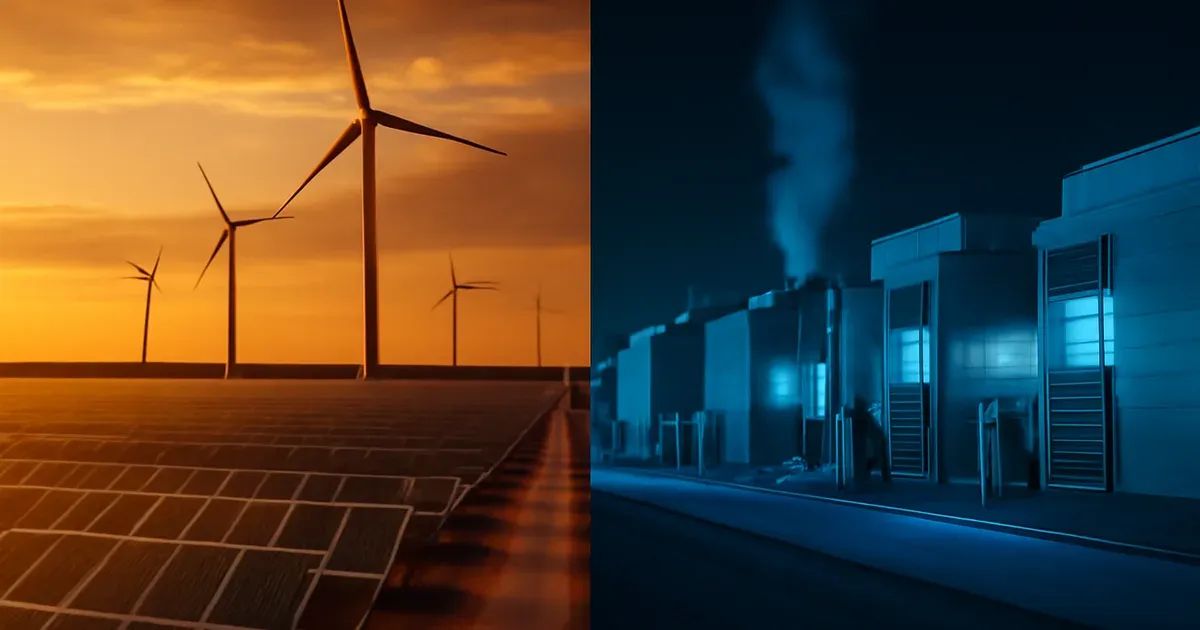
On Thursday, April 9, 2026, a single thread runs through the day's most important stories: the world's growing struggle to match clean energy ambition with on-the-ground reality. From India quietly stepping back from a global climate hosting role, to data centres threatening America's renewable targets, to researchers racing to solve the grid's toughest problems, the gap between aspiration and action has rarely felt wider — or more consequential. Here's what caught our attention.
India Withdraws Bid to Host Annual UN Climate Talks in 2028
India has officially pulled back its offer to host COP33, the United Nations annual climate Conference of the Parties, in 2028. Two government officials confirmed the withdrawal to Reuters, though no formal explanation has been made public. Experts quoted in The Wire expressed disappointment, suggesting that escalating global geopolitical conflicts may have influenced the decision. For a country that recently ranked third in global renewable energy capacity, stepping away from climate diplomacy's biggest stage sends a mixed signal about India's appetite to lead on the world stage.
India's Renewable Energy Progress: Rankings, Challenges, and Green Pathway
India hit its highest-ever share of renewable energy in electricity generation in July 2025, cementing its position as the world's third-largest nation for renewable energy capacity. The milestone is significant — it reflects years of sustained investment in solar, wind, and other clean sources. Yet the country still faces technical and infrastructural hurdles that could slow momentum, including grid stability issues and financing gaps for rural deployment. For everyday consumers and policymakers alike, the story is one of genuine progress complicated by the scale of the challenge ahead.
Sources: The Tribune, Rediff.com, India CSR
States Are Struggling to Meet Their Clean Energy Goals. Data Centers Are to Blame
Nevada's largest utility has warned it may miss the state's legally mandated target of 50% renewable power by 2030 — and the culprit is surging electricity demand from data centres fuelling the artificial intelligence boom. The problem is not limited to Nevada: in North Carolina, the dominant utility is delaying the retirement of coal plants and expanding natural gas capacity, while legislators have already stripped away an interim carbon-reduction target. Democratic Assemblymember Howard Watts has called the situation "unacceptable" and is pushing for data centre operators to bear the financial cost of the clean energy build-out their facilities require. The story is a stark reminder that even well-designed energy policy can be overwhelmed by demand growth that outpaces planning.
Source: ABC News
Energy Innovation for a Power-Hungry World
Stanford University researchers are tackling the clean energy gap from multiple angles, developing solutions that range from deep geothermal power to agrivoltaics — solar panels deployed on farmland — to smarter software for existing electricity grids. One particularly practical finding: civil and environmental engineer Ram Rajagopal's research suggests that utilities may not need expensive new infrastructure to handle more intermittent renewable sources; better real-time data and updated software could do the job with what already exists. A separate study proposes a more accurate method for measuring the carbon-storage potential of biochar, potentially unlocking a significant but underutilised tool in the climate toolkit. These advances won't solve the energy crunch overnight, but they signal that engineering solutions are closing in on the problem.
Source: Stanford University
Today's Takeaway
Today's stories collectively reveal a world in which clean energy progress is real but deeply uneven. India can claim a top-three global ranking for renewable capacity and yet quietly withdraw from the diplomatic arena where climate commitments are made. The United States can set ambitious state-level clean energy targets and yet watch them erode under the weight of an AI-driven electricity boom nobody adequately planned for. What Stanford's researchers remind us is that the solutions exist — the gap is not one of technology but of will, coordination, and honest accounting for the demands we are placing on the grid.
